- INTRODUCTION
If you have trouble using a CPAP machine for sleep apnea, your doctor may suggest an oral appliance. These small dental devices help keep your airway open while you sleep by moving your jaw or tongue forward. sleep apnea near me treatments often include such oral appliances as a comfortable alternative to CPAP. They can significantly improve the quality of your sleep and are portable and simple to use.
- WHAT ARE ORAL APPLIANCES?
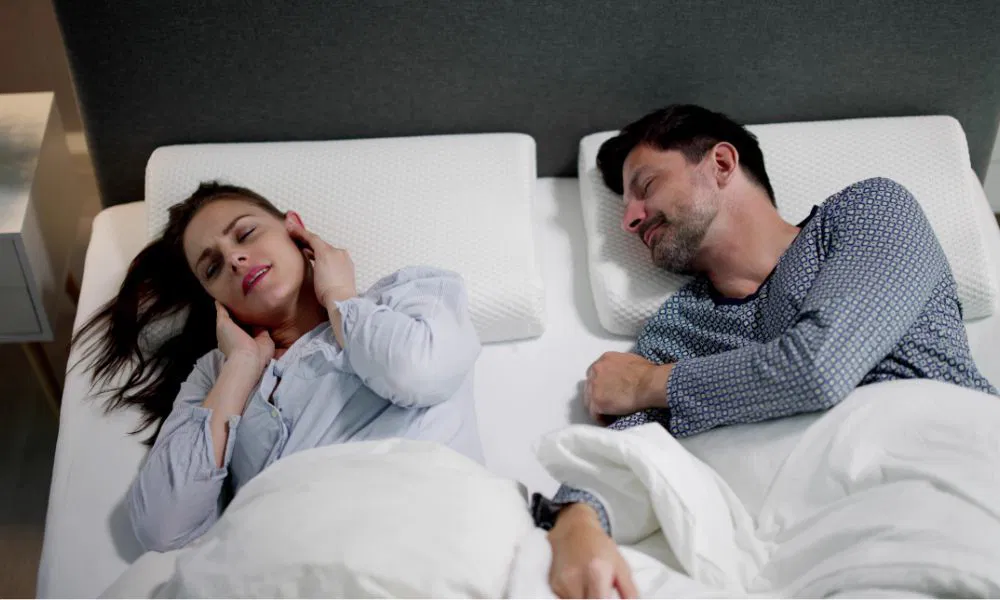
Mouthpieces used to treat obstructive sleep apnea (OSA) are known as oral appliances. In OSA, your airway becomes blocked during sleep, causing pauses in breathing. This may deplete your body’s oxygen levels, causing you to wake up several times during the night. If untreated, OSA can lead to heart problems, stroke, and other serious health issues.
Oral appliances, also known as oral appliance therapy, assist by moving your mouth to create a more open airway. This lessens the frequency of sleep apnea awakenings and enhances breathing.
- TYPES OF ORAL APPLIANCES
When treating sleep apnea, two primary kinds of oral equipment are utilized:
- Mandibular Advancement Devices (MADs): These are the most prevalent. They move your lower jaw slightly forward, which also pulls your tongue forward and opens the back of your throat for better airflow. The upper and bottom portions of these devices, which fit over your teeth, are often joined by hinges or bands. They can be adjusted by your dentist for comfort and effectiveness.
- Tongue-Stabilizing Devices (TSDs): TSDs, or tongue-retaining devices, hold your tongue in place using gentle suction. This prevents your tongue from blocking your airway during sleep. TSDs are ideal for people who cannot use MADs, such as those with weak or missing teeth.
- HOW ORAL APPLIANCES ARE MADE AND USED
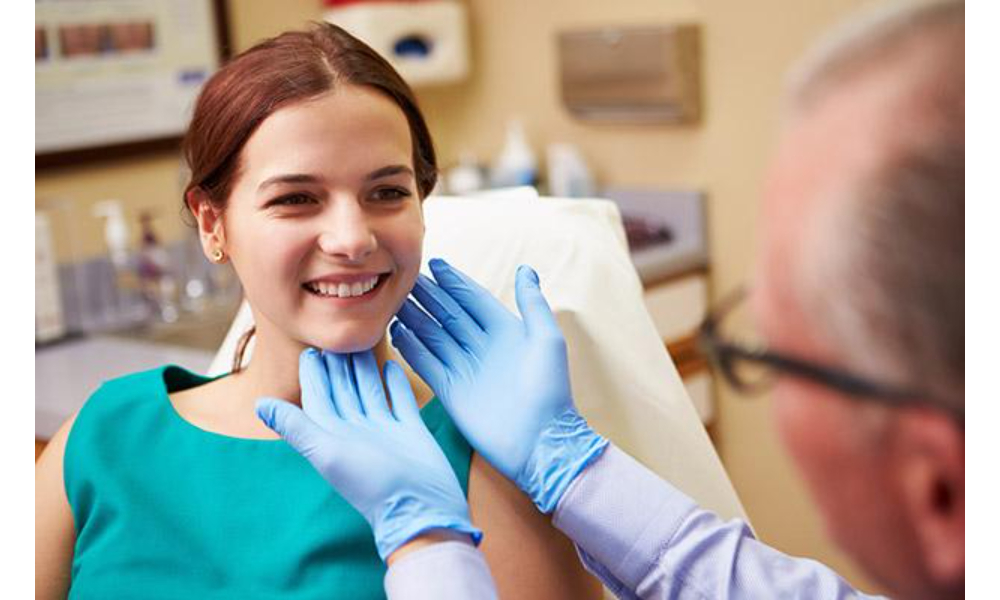
Your dentist will take impressions or 3D scans of your teeth to create a custom-made device. Custom devices fit better, are more comfortable, and work more effectively than over-the-counter versions. Once made, your dentist will adjust it and guide you on how to use and clean it.
You wear the appliance each night and remove it in the morning. It may feel unusual at first, but most people adjust within two to four weeks.
- BENEFITS AND SIDE EFFECTS
Oral appliances can:
- Reduce or eliminate snoring.
- Improve sleep quality and daytime alertness.
- Help people who can’t tolerate CPAP machines.
- It is convenient for travel.
Dry mouth, jaw pain, and gum irritation are common short-term adverse effects that typically fade away as you adjust to the device. Regular dental checkups help ensure the appliance fits well and your teeth stay healthy.
- WHO CAN USE THEM?
Oral appliances are most effective for people with mild to moderate sleep apnea. They are not suitable for children, people with central sleep apnea, or those with severe OSA, unless advised by a doctor.
- CONCLUSION
Oral appliances provide a comfortable and practical solution for improved sleep and easy breathing. Consult your dentist or physician if you have trouble using a CPAP machine. With the right fit and guidance, an oral appliance can help you rest deeply and wake up refreshed.